
Only Town on Catalina Island
About Avalon, CA
Welcome to Avalon, the only incorporated city on Santa Catalina Island and the southernmost city in Los Angeles County, where a walkable harbor town meets protected Channel Islands wilderness.
Avalon is the only incorporated city on Santa Catalina Island, the southernmost of California's Channel Islands, and the southernmost municipality in Los Angeles County. The island lies off the Southern California coast, and nearly all of its permanent residents live in Avalon, a compact harbor town tucked against the hills above Avalon Bay. Because the surrounding island interior is largely protected open space managed by the Catalina Island Conservancy, the town itself is dense, walkable, and tightly bounded by terrain. Avalon was incorporated in 1913, but its modern character was largely set a few years later. In 1919, chewing-gum magnate William Wrigley Jr. acquired a controlling interest in the island and poured money into infrastructure, beautification, and tourism. His most enduring contribution is the Catalina Casino, an Art Deco landmark that opened in 1929 and still anchors the waterfront as a theater, ballroom, and the island's most recognizable building. The economy is dominated by tourism and hospitality. Well over a million visitors arrive each year, most by ferry, and the waterfront is lined with hotels, restaurants, and shops oriented toward visitors. Behind that visitor-facing core sits a small, year-round community of roughly 3,400 residents. Life here is shaped by the island's isolation: there are no car ferries and no car rentals, so residents and visitors alike get around on foot and by golf cart, and most goods arrive by boat or small plane. For people considering a move, Avalon offers a lifestyle found almost nowhere else in California: a genuine small town on an island, with one K–12 school, a mild maritime climate, and immediate access to hundreds of miles of trails, coves, and open water. The trade-off is distance and logistics, since the mainland is a ferry ride away and daily life follows the island's rhythms.
Frequently Asked Questions
What county is Avalon in?
Avalon is in Los Angeles County, and it is the southernmost city in the county. Despite the distance across the water, the city is administered as part of mainland Los Angeles County, and its public school is part of the Los Angeles Unified School District.
How do you get to Avalon?
Avalon is reached by passenger ferry from the mainland. The Catalina Express serves Avalon from Long Beach, San Pedro, and Dana Point. There is no car ferry to the island, and no rental cars are available, so most visitors arrive on foot and get around by golf cart. A small airport in the island's interior also serves private aircraft.
Do residents drive cars in Avalon?
Full-size vehicles are uncommon in Avalon. There is no car ferry to Santa Catalina Island, and vehicle ownership is limited to businesses and a restricted number of permit-holding residents. Most people get around on foot or by golf cart, which is a defining feature of daily life in town.
What is there to do in Avalon?
Avalon is centered on its harbor and waterfront. Visitors and residents can tour the Art Deco Catalina Casino, walk Crescent Avenue, hike Conservancy trails such as the Trans-Catalina Trail, visit the Wrigley Memorial and Botanic Garden, and enjoy boating, kayaking, snorkeling, and diving in the surrounding Channel Islands waters.
What school serves Avalon?
Avalon is served by the Avalon K-12 school, part of the Los Angeles Unified School District, which educates island students from kindergarten through twelfth grade on a single campus. Because the community is small and isolated, the entire K-12 experience takes place in one island school rather than across multiple campuses.
City Guide
About Avalon
Real Estate & Housing
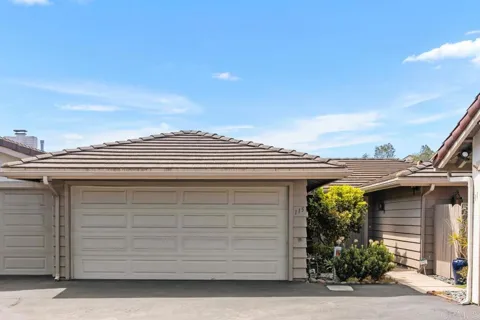
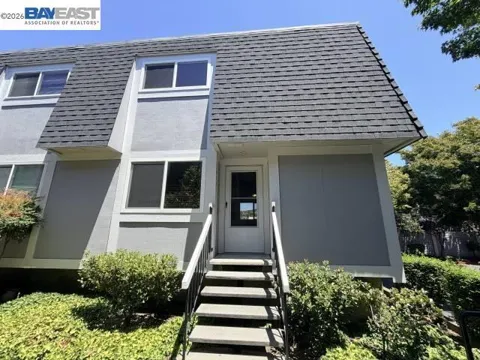
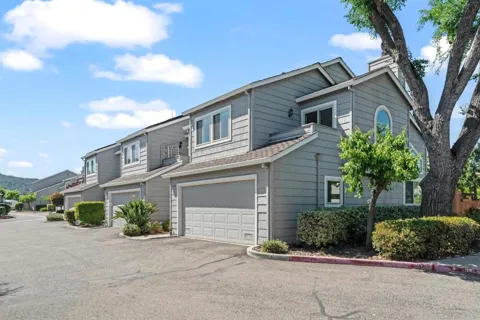
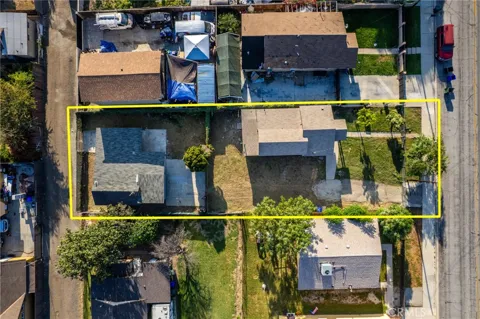
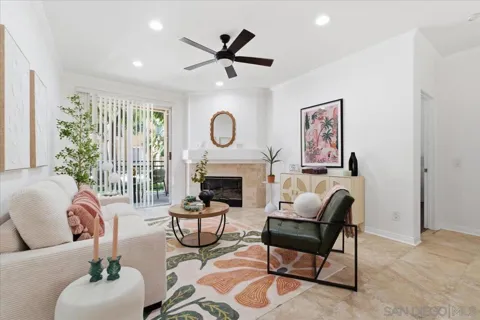
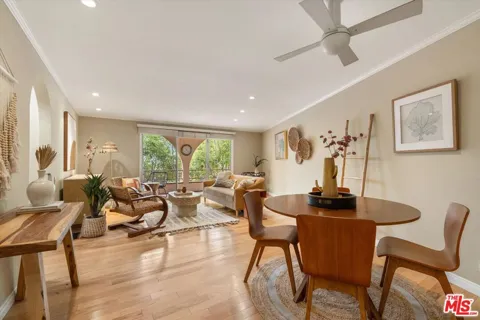
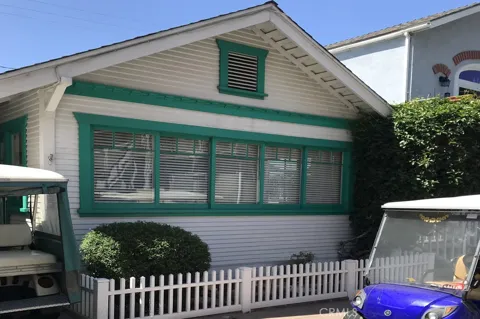
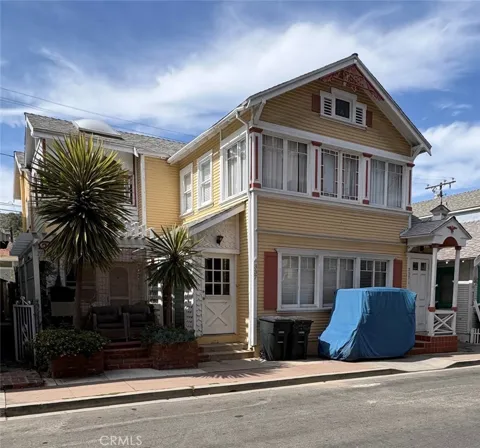
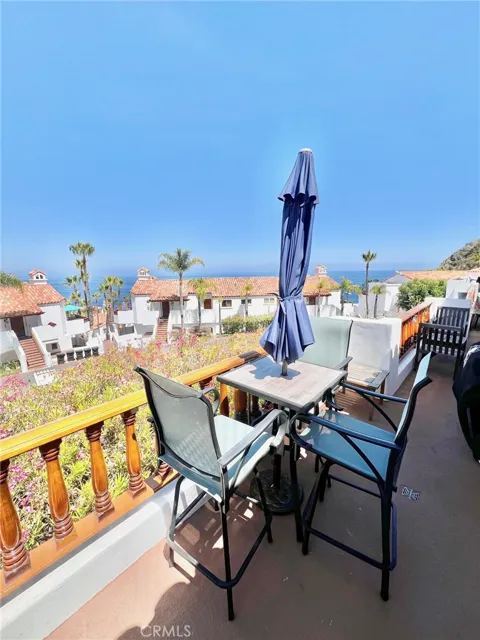
Housing in Avalon is unlike any mainland market. The residential fabric consists of small-lot cottages, hillside homes, and a handful of apartment buildings clustered near the harbor and along the slopes above Avalon Bay. Because full-size vehicle ownership is limited, garages and driveways are far less common than elsewhere; many homes rely on golf-cart access and pedestrian-only lanes instead. Development is constrained by the island's topography and by the large amount of land held in conservation, so the housing stock skews toward older, modestly scaled homes, with newer construction generally limited to infill lots and a small number of higher-end waterfront and hillside villa communities.
Neighborhoods
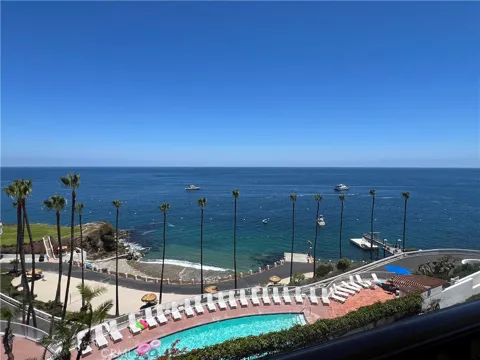
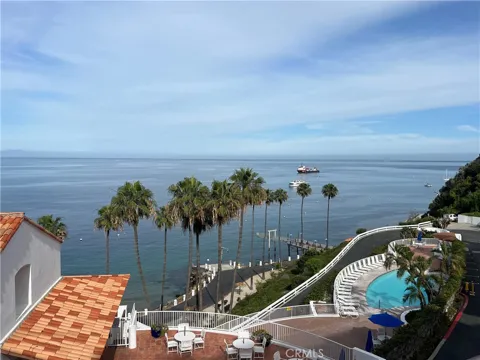
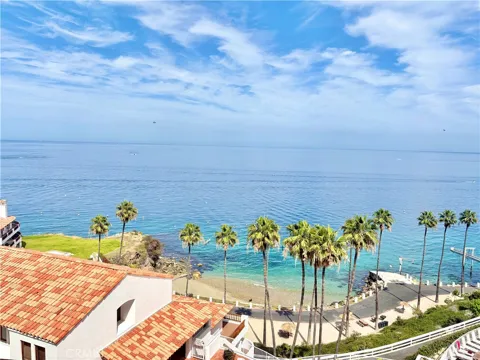
Avalon is small enough that its neighborhoods blur together, but they follow the terrain. The harborfront and downtown core hold the densest mix of shops and lodgings; the flat streets just inland form the town's original residential grid; and the hillsides climbing away from the bay hold quieter streets with sweeping ocean views. Farther along the coast toward the island's interior, a few smaller residential enclaves offer more seclusion. Most of the island beyond town, however, remains protected open space rather than developable land.
Lifestyle in Avalon
Daily life in Avalon centers on the harbor. Residents run errands by golf cart, gather at the waterfront, and watch ferries come and go from the mainland. The Catalina Casino and the shops along Crescent Avenue give the town a resort bustle that swells in summer and settles in winter. The community is close-knit, with a small permanent population, one K–12 school, and a shared awareness of island logistics. The mild maritime climate supports year-round outdoor living, and the surrounding Channel Islands waters draw boaters, divers, and anglers.
Schools & Education
Avalon's students attend the Avalon K–12 campus, part of the Los Angeles Unified School District, which serves the town from kindergarten through high school on a single island campus. The school's small size reflects the community's scale, and its location means students grow up with the island as an extended classroom. For families, having the entire K–12 experience on one campus is both a practicality of island life and a defining feature of the school community.
Getting Around
Reaching Avalon means crossing water. The Catalina Express runs passenger ferries from the mainland ports of Long Beach, San Pedro, and Dana Point, and there is no vehicle ferry to the island. For air travel, the privately owned Catalina Airport, known locally as the Airport in the Sky, sits in the island's interior. Within town, cars are the exception rather than the rule: full-size vehicles are restricted to businesses and a limited number of permit-holding residents, so golf carts and walking are the standard ways to get around. The result is a uniquely pedestrian-scaled community.
Parks & Recreation
Most of Santa Catalina Island is managed by the Catalina Island Conservancy, which keeps open more than 160 miles of roads and trails through rugged interior terrain. The Trans-Catalina Trail, a 38.5-mile route, begins in Avalon and runs the length of the island toward the western end. Day hikers favor short climbs such as the Garden to Sky Trail, and the Wrigley Memorial and Botanic Garden sits a short uphill drive from town. Offshore, the protected waters support boating, kayaking, snorkeling, and diving, while the island's interior is home to a small herd of bison introduced decades ago.
MARKET SNAPSHOT
The Market at a Glance
How homes have been selling here over the last 90 days.
Price & Sales History
Market data reflects closed sales over the last 90 days and is provided for informational purposes.
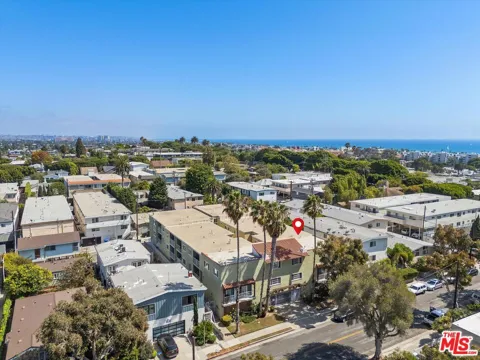
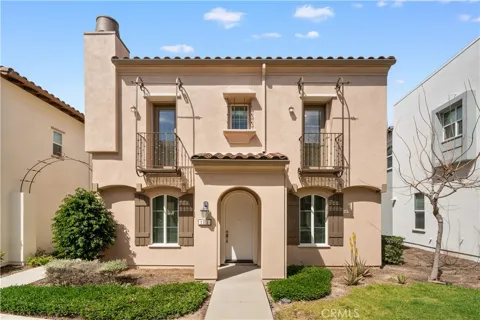
For sale
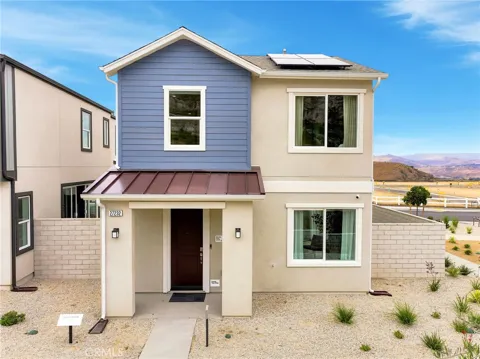
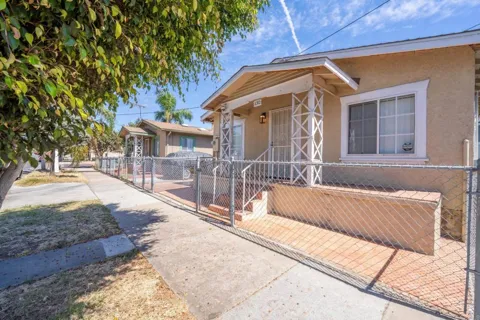
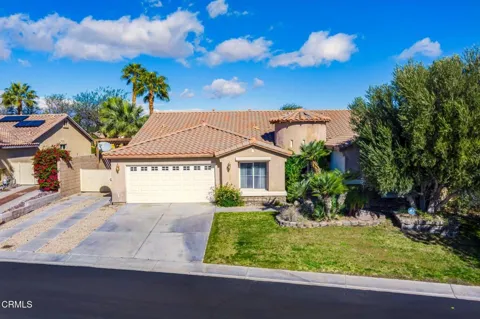
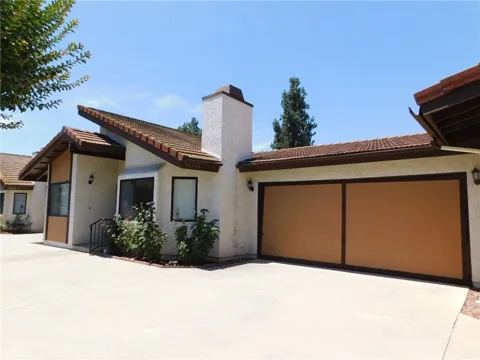
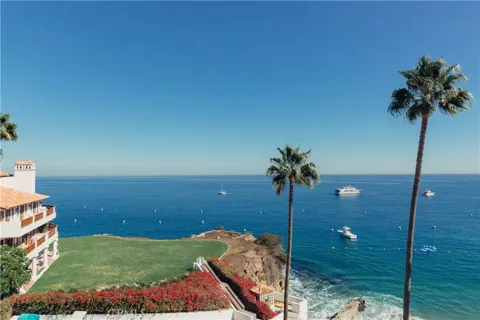
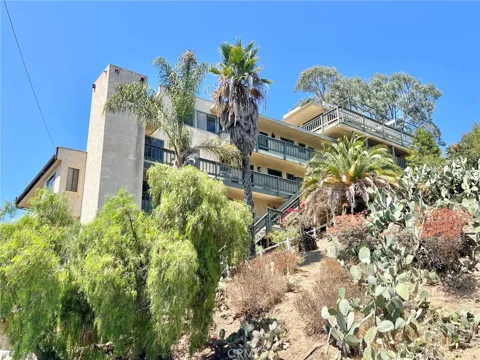
Houses in Avalon, CA
Handpicked properties hitting the scene in your area.
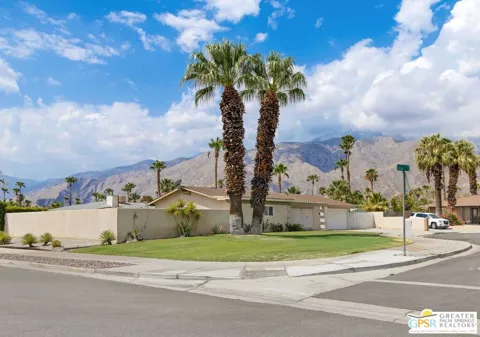
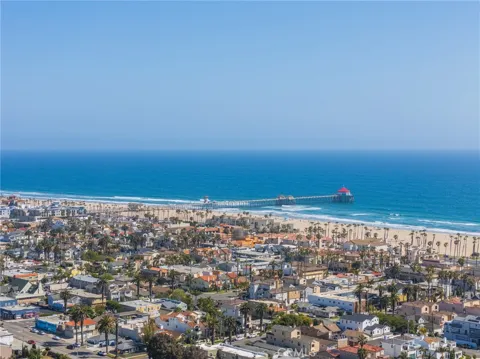
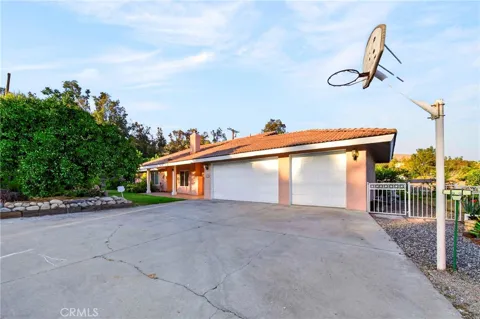
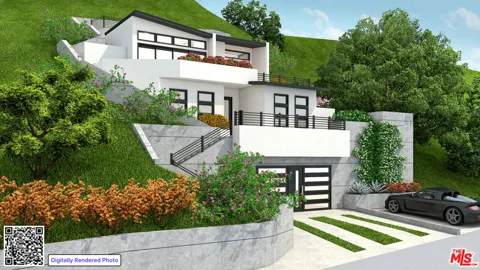
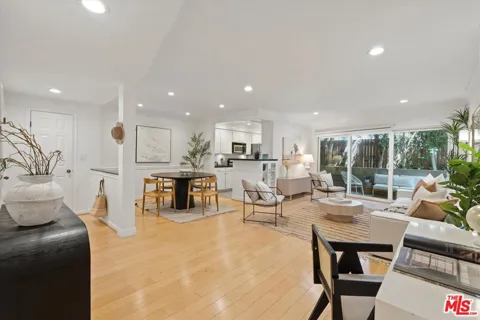
For sale
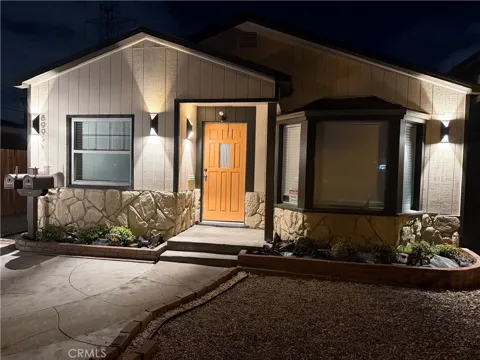
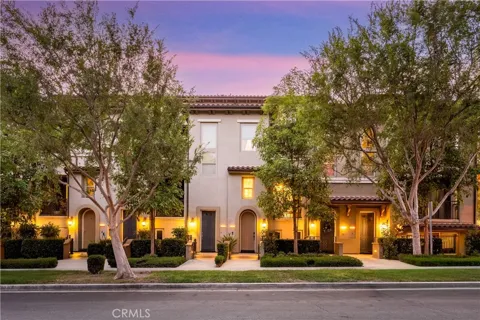
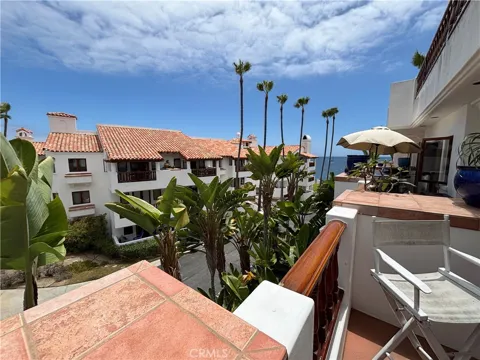
Townhomes in Avalon, CA
Handpicked properties hitting the scene in your area.
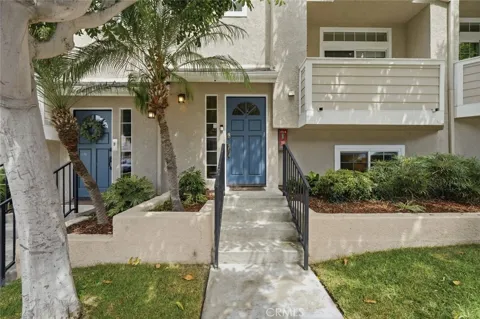
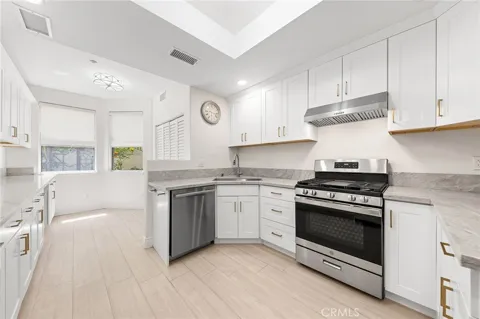
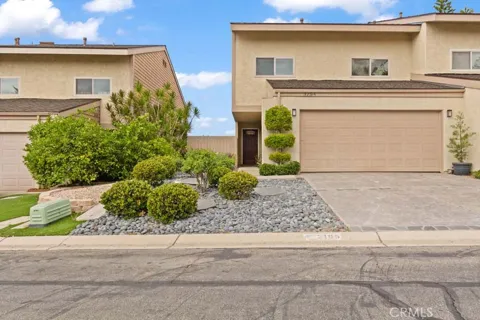
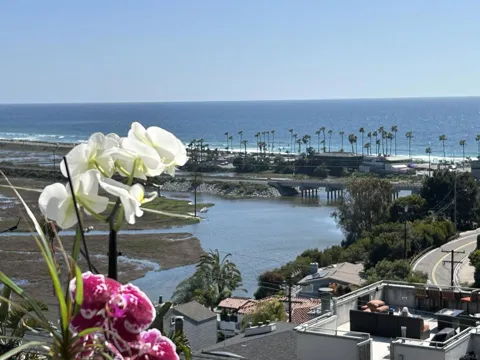

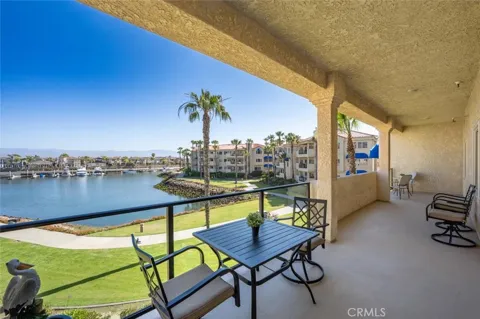
For sale
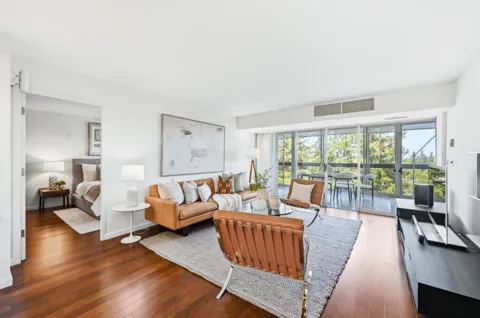
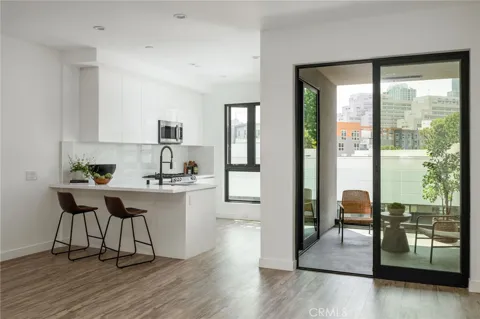
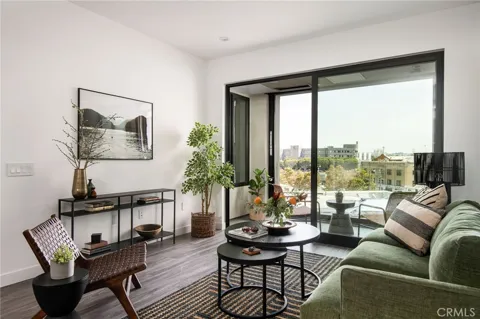
Condos in Avalon, CA
Handpicked properties hitting the scene in your area.
Zip Codes
BROWSE BY ZIP
Browse listings by postal code in this area.
- Grid
- Map
- List

Elevate Real Estate Agency
8160 Haven Ave. Suite 103 Rancho Cucamonga, CA 91730