Unincorporated Heart of Chicano L.A.
Listings in East Los Angeles, CA
Welcome to East Los Angeles, the sprawling unincorporated community that anchors Mexican American culture and Chicano history just east of downtown L.A.
East Los Angeles is an unincorporated community in central Los Angeles County, occupying about 7.4 square miles immediately east of downtown Los Angeles and the Los Angeles River. It is the largest census-designated place in California, with a population of roughly 119,000, and it stands as one of the most significant centers of Mexican American life in the United States, with about 96 percent of residents identifying as Latino. Because it is unincorporated, the community receives municipal services from Los Angeles County rather than a city government. The community's cultural heart is Whittier Boulevard, the east-west corridor that became the epicenter of the Chicano movement a half-century ago and remains a symbol of Mexican American identity, cruising, and lowrider culture. The boulevard's street vendors, murals, and landmarks such as the El Arco arch reflect the community's pride and history, and its commercial life anchors the surrounding residential neighborhoods. East Los Angeles also played a defining role in the 1968 East L.A. walkouts, when students from five local high schools, including Garfield High School, protested educational inequality in a movement that reshaped Chicano activism and schooling in the region. Garfield High School, part of the Los Angeles Unified School District, remains one of the community's central institutions. Dense single-family neighborhoods, small apartment buildings, and a busy network of commercial strips give East Los Angeles an urban, walkable character. The Metro E Line light rail runs between East Los Angeles and Santa Monica, and the community is framed by the San Bernardino, Pomona, Golden State, and Long Beach freeways, providing fast access to downtown Los Angeles and the broader region.
Get more information about East Los Angeles
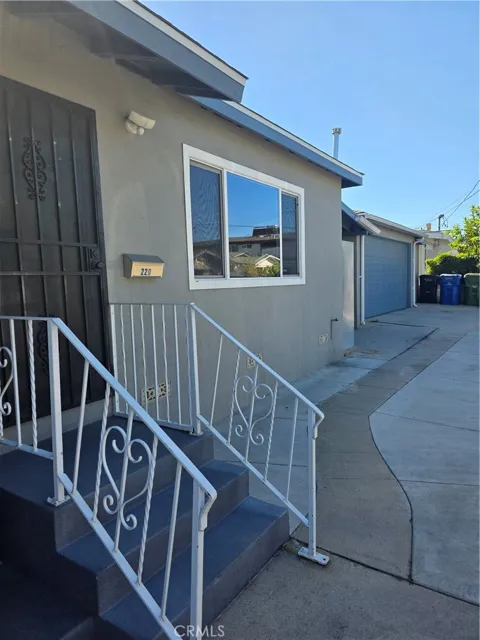
Houses in East Los Angeles, CA
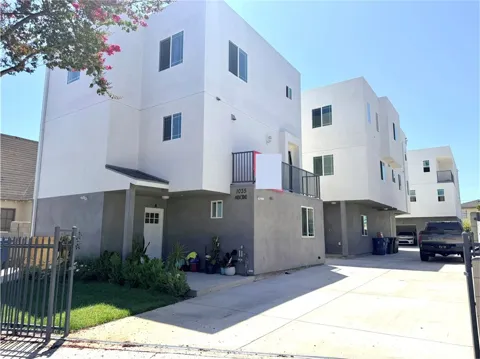
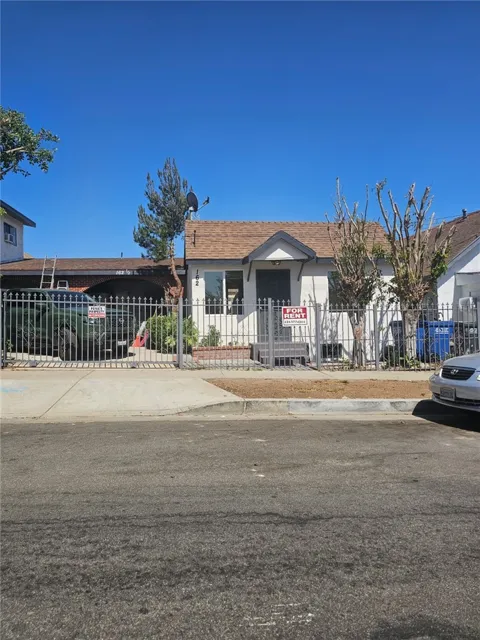
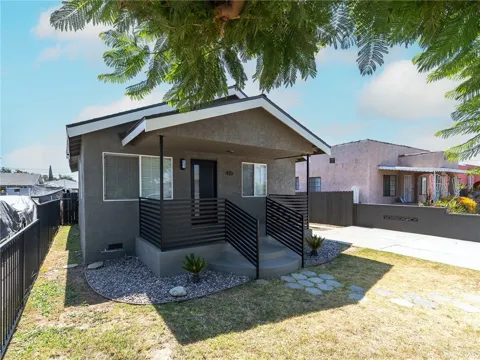
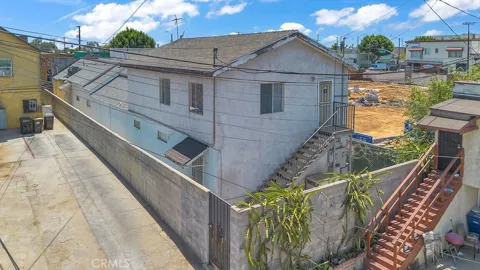
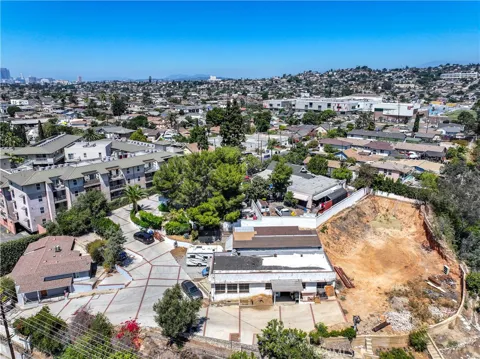
Townhouses & Duplexes in East Los Angeles, CA
Condos & Apartments in East Los Angeles, CA
For Rent in East Los Angeles, CA
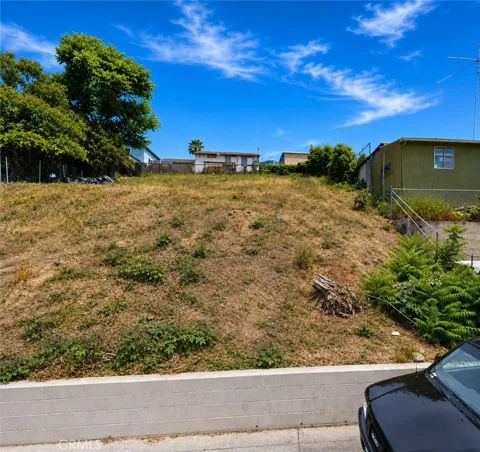
Lots & Land in East Los Angeles, CA
MARKET SNAPSHOT
The Market at a Glance
How homes have been selling here over the last 90 days.
Price & Sales History
Market data reflects closed sales over the last 90 days and is provided for informational purposes.
Zip Codes
BROWSE BY ZIP
Browse listings by postal code in this area.
- Grid
- Map
- List
City Guide
About East Los Angeles
Real Estate & Housing
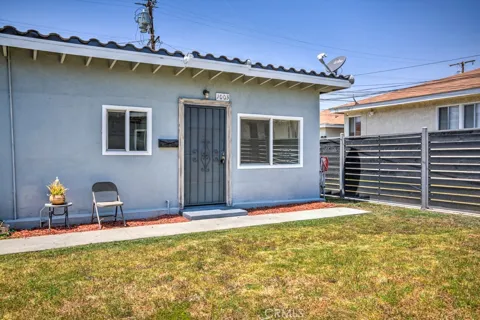
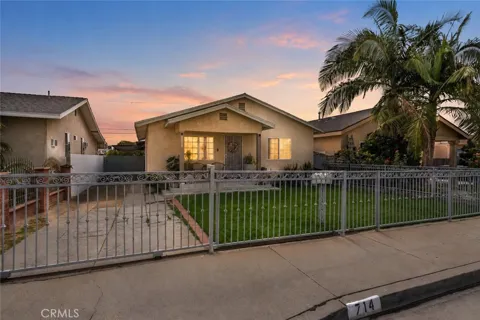
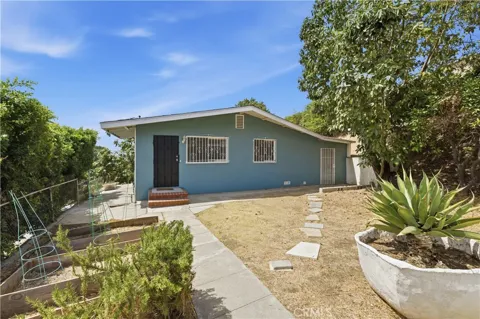
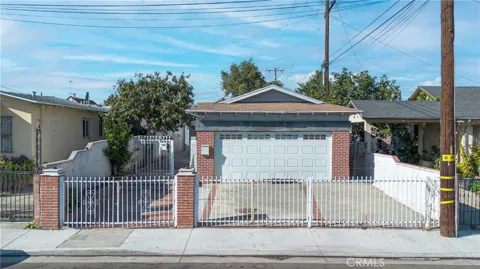
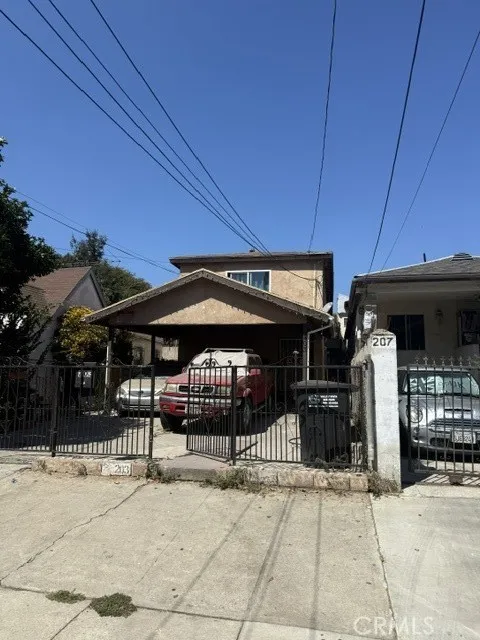
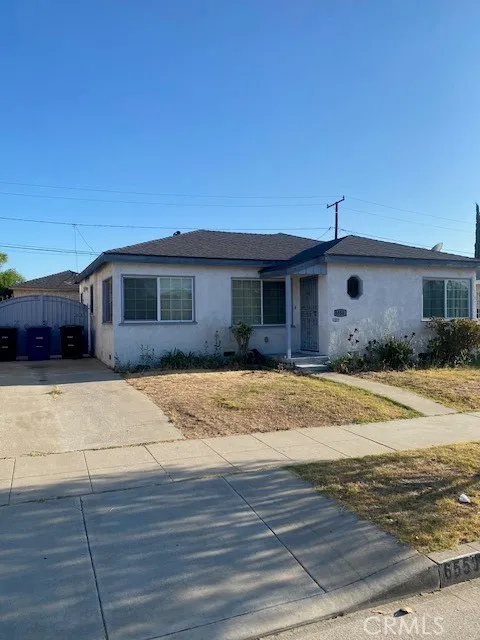
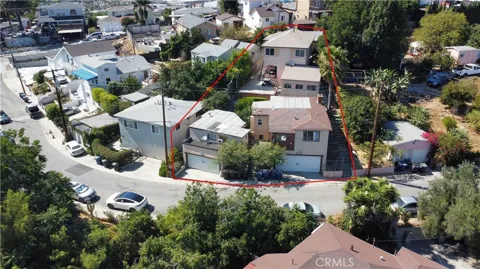
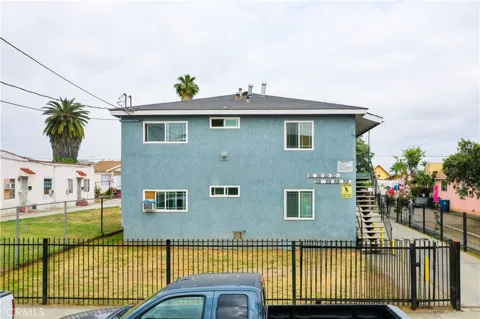
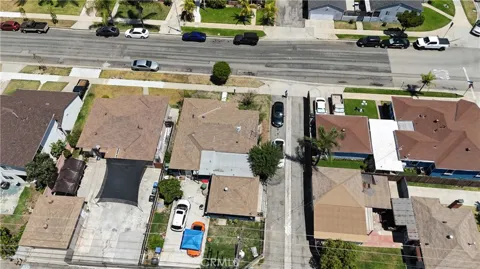
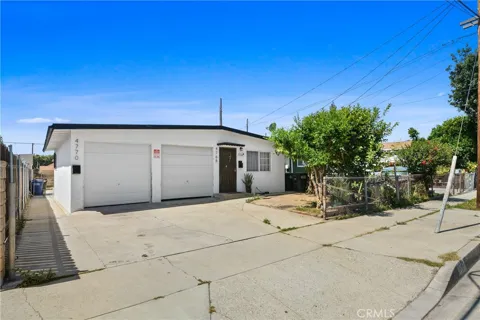
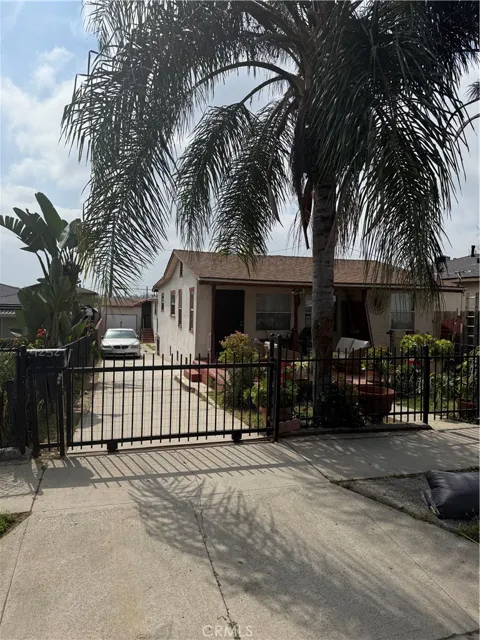
East Los Angeles is one of the densest communities in Los Angeles County. Housing is predominantly single-family homes on small lots, with a substantial stock of older bungalows and Spanish-style houses, alongside duplexes and low-rise apartment buildings. The community's age and density mean homes tend toward established, pre-war and mid-century construction, and the unincorporated status keeps development patterns tightly woven. The mix of long-time family ownership and rental housing reflects East Los Angeles's role as a stable, working-class gateway community.
Neighborhoods
East Los Angeles is a collection of closely connected neighborhoods rather than a single downtown. Areas such as Belvedere and the blocks around Atlantic and Whittier boulevards each carry their own block-level identity, anchored by schools, churches, and commercial corners. Whittier Boulevard and Atlantic Avenue serve as the main commercial spines, while residential streets extend south toward the 60 Freeway and east toward Monterey Park and Montebello. The community's density means neighborhoods flow into one another without sharp boundaries.
Lifestyle in East Los Angeles
East Los Angeles has a powerful cultural identity rooted in Mexican American heritage. Life centers on Whittier Boulevard, with its street vendors, murals, and lowrider culture, and on the community's schools, churches, and parks. Murals and public art are everywhere, and community events, family-owned restaurants, and taquerias anchor daily life. The community's activism and pride trace to the Chicano movement and the 1968 student walkouts, and that history remains visible in its institutions and public spaces. Proximity to downtown Los Angeles adds jobs, dining, and entertainment within minutes.
Schools & Education
East Los Angeles is served by the Los Angeles Unified School District (LAUSD). Garfield High School, at 5101 E. Sixth Street, is the community's best-known campus and was one of the five schools that launched the 1968 East L.A. walkouts, a landmark in the struggle for educational equity. The community is part of LAUSD's East region, with a network of elementary, middle, and high schools serving its dense neighborhoods. East Los Angeles College, part of the Los Angeles Community College District, sits just outside the community in Monterey Park and provides the area's principal community-college pathway.
Getting Around
East Los Angeles is among the most transit-accessible communities in the region. The Metro E Line light rail runs between East Los Angeles and Santa Monica, with local stations connecting riders to downtown Los Angeles and the broader Metro Rail system. The San Bernardino (I-10), Pomona (SR 60), Golden State (I-5), and Long Beach (I-710) freeways frame and cross the community, and the East Los Angeles Interchange is one of the busiest in the nation. Metro bus lines crisscross Whittier, Atlantic, and the surrounding boulevards.
Parks & Recreation
East Los Angeles's parks and public spaces anchor community life. Belvedere Community Regional Park offers sports fields, a pool, and recreation programs, while smaller neighborhood parks and schoolyards provide green space across the dense grid. Whittier Boulevard itself is a civic and cultural gathering place, lined with murals, vendors, and landmarks such as El Arco. The community's proximity to downtown Los Angeles puts regional attractions, and the trails and recreation of the Los Angeles River and nearby hills, within easy reach.
About East Los Angeles
Frequently asked questions
Is East Los Angeles a city?
No. East Los Angeles is an unincorporated community in Los Angeles County, meaning it has no city government of its own and receives services from the county. It is the largest census-designated place in California, with about 119,000 residents.
What county is East Los Angeles in?
East Los Angeles is in Los Angeles County, California, immediately east of downtown Los Angeles. It lies within the county's unincorporated area and is governed by the county rather than an independent city government.
What is East Los Angeles known for?
East Los Angeles is known as a historic center of Mexican American culture, anchored by Whittier Boulevard's lowrider and Chicano heritage. It was the epicenter of the Chicano movement and the 1968 East L.A. school walkouts.
What school district serves East Los Angeles?
East Los Angeles is served by the Los Angeles Unified School District (LAUSD). Garfield High School is among its most prominent campuses and was one of the five schools that launched the 1968 East L.A. walkouts.
How do you get from East Los Angeles to downtown?
East Los Angeles sits immediately east of downtown Los Angeles, reached in minutes via the San Bernardino, Pomona, Golden State, and Long Beach freeways. The Metro E Line light rail also runs through the community toward downtown and west to Santa Monica.
Still have questions about East Los Angeles?
Get in touchExplore the area